
Understanding and Utilizing StrongSwan:A Comprehensive Guide
Purpose and Functionality: StrongSwan is a robust security tool designed to protect web applications from various threats, including SQL injection, XSS, and zero-day exploits. It employs a comprehensive framework to detect and mitigate vulnerabilities, making it ideal for developers and security professionals.
Architecture and Integration: StrongSwan is typically a standalone tool, offering a modular architecture that allows integration with existing security frameworks and tools. Developers can configure it as a service or integrate it with their current security setup, depending on their needs.
Effectiveness: StrongSwan's effectiveness varies based on the type of threat it identifies. It is particularly strong in detecting advanced threats and has been shown to be effective against specific vulnerabilities. However, it may not cover all types of attacks, depending on its design.
Integration and Costs: Integration can be achieved through specific configurations or as a service. Costs may vary, with some being free or requiring a subscription. Evaluating the cost-effectiveness is crucial before adoption.
Limitations: While powerful, StrongSwan may have limitations in coverage and effectiveness against certain threats. It may lack unique features compared to other tools like TPs, VSS, or TIT.
Community and Challenges: Community support is available, and users often share experiences and solutions, which can help overcome common challenges. Understanding these challenges can aid in effective integration.
Scalability: As a cloud-based tool, it may scale well for large deployments. For desktop use, it may require adjustments to existing systems, necessitating compatibility with specific platforms.
Alternatives and Recommendations: Consider alternatives like TPs, VSS, or TIT if StrongSwan's features are insufficient. For developers, using a well-supported tool like TPs or VSS can provide a broader security strategy.
Conclusion: StrongSwan is a valuable tool for securing web applications, especially for those seeking robustness and effectiveness. Its potential effectiveness and modular architecture make it a strong choice, but its integration and cost considerations should be carefully evaluated based on specific needs and resources.

相关推荐
-
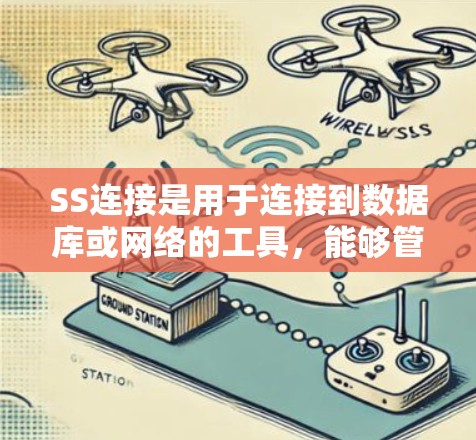
SS连接是用于连接到数据库或网络的工具,能够管理多个连接,包括单向、双向、网络服务等。以下是详细的SS连接教程指南
确认SS连接的版本 版本兼容性:了解SS连接的最新版本,确保兼容性良好。 安装与激活:确保正确安装和激活SS连接,可能...
-
通信系统中SS连接速度提升分析
随着信息技术的飞速发展,通信技术已经渗透到我们的日常生活和各个行业,在通信系统中,SS连接(如串口、USB等)是连接设备之间的...
-

SS连接稳定性检测技术
随着信息技术的快速发展,计算机系统中SS(串口)连接的使用频率显著提升,SS连接的稳定性检测成为系统设计和维护中不可忽视的重要...
-

SS连接优化工具
SS连接(Single-Source Connection,SSC)是Spring框架中的一个高级接口,主要用于在Java项目...
-

通信系统配置管理概述
在现代通信系统中,配置管理是确保系统稳定运行、保障安全性和高效性的关键环节,随着数字化转型的深入,通信设备、网络和应用的复杂性...
-
SSS使用指南
在通信领域,S-S-S(符号突变)技术是一种常用的加密方法,旨在提高数据传输的安全性和可靠性,通过通过符号突变,我们可以对数据...